


On August 17, 2019, the Beijing Internet Court released the "White Paper on the Judicial Application of Internet Technology." Judge Cui Lu of the Court's Case Registration Division used "screen sharing" as an example to introduce new technological approaches emerging within the new trial model of "online cases and online trials." Judge Cui demonstrated two methods: judge-initiated and party-application. One method involves the judge clicking "Desktop Sharing" for instant sharing; the other involves the party requesting "screen sharing." With the judge's approval, all parties can view the applicant's screen for evidence presentation and cross-examination. The "screen sharing" feature allows for effective inspection of electronic evidence, significantly reducing the burden on parties, safeguarding the security of their litigation materials, and significantly reducing the difficulty and cost of evidence production. Combined with live court broadcasts, "screen sharing" can provide a live broadcast of the entire trial process to the public, making online trials truly "trials in the sunshine." In June 2025, according to the Ministry of Public Security, in response to the proliferation of new telecom and internet fraud tactics in recent years, and to help the public improve their ability to identify and prevent fraud, the Ministry's Criminal Investigation Bureau, through analysis and assessment of recently cracked telecom fraud cases and incorporating local early warning and dissuasion practices, systematically summarized and refined 20 anti-fraud keywords, providing the public with a "code" to decipher telecom fraud schemes. This includes "screen sharing."
Development Of Screen Sharing
Popular Products
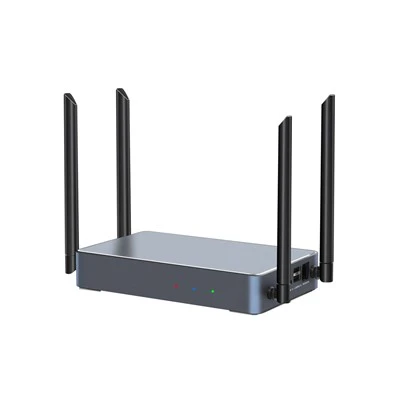
4K Wireless Video Processor
PTB3219 BYOM The PTB3219 4K wireless video processor is designed for BYOM scenarios. Its core strength lies in

Casting Receiver
PTB4615 Casting Receiver The PTB4615 Casting Receiver is a cost-effective wireless casting solution device for small
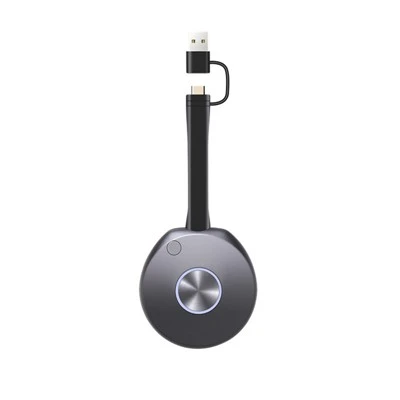
Type C 4K BYOM Transmitter
Type C 4K BYOM Transmitter The PTB1312 4K BYOM transmitter uses the pin definition of the Type-C interface, which
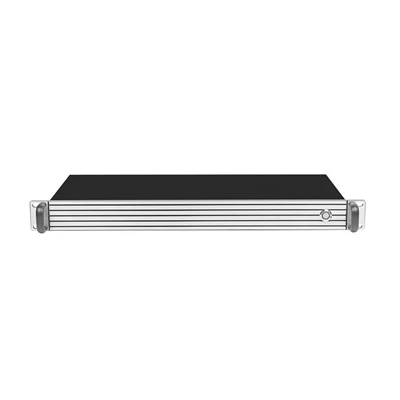
Wireless Video Matrix
PTM6302 Wireless Video Matrix The PTM6302 is an innovative video matrix product that combines wired and wireless
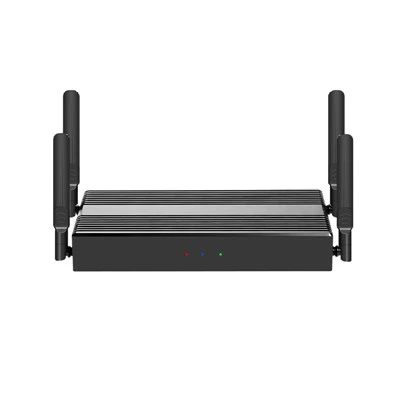
Video Collaboration Server
PTB8800 Video Collaboration Server PTB8800 Video Collaboration Server is a high-performance video collaboration server

tranShare Hub
PPT2801 tranShare Hub tranShare Hub is a powerful device designed for high-speed sharing and transmission of pictures,